Blog

Blog Reading Journal Gaming Journal All

Hiroo Onoda

Hiroo Onoda is known for continuing fighting after the end of WWII, because he didn’t believe Japan had surrendered and thought news announcing the end of the war were ennemy propaganda. Initially with three other men then alone, he continued a guerrilla warfare for 29 years in the Philippines. A Major had to go to the Philippines to officially relieve him of his duties in 1974. He returned to Japan in March of this year and was the center of media’s attention. Some considered him a hero even though he probably killed many civilians during all these years.

Shoichi Yokoi has a similar fate, staying hidden on Guam for 28 years after the end of the war. He didn’t believe the war was over and stayed in the jungle with other comrades, then alone. He didn’t want to surrender and return alive to Japan.

At the time of rapid economic growth, after the Olympics and the Osaka Expo, it’s easy to imagine that the reappearance of these soldiers who continue fighting for nearly 30 years and thought returning alive to Japan was a disgrace must have been a shock to most people.


Characters Wednesday · 22 July
第二章:昭和編 一九七四 昭和四十九年
1
牧野 Other
まきのMakino
Yuasa’s colleague at Tsukishima (月島) police station
小野田寛郎 Other
おのだ ひろおOnoda Hiroo
Second Lieutenant in the Imperial Japanese Army during WWII
横井庄一 Other
よこい しょういちYokoi Shoichi
Sergeant in the Imperial Japanese Army during WWII
小室 Other
こむろKomuro
巡査長, was sent to secure the scene.
須黒武光 Other
すぐろ たけみつSuguro Takemitsu
Ryoichi’s father
昌枝 Other
まさえMasae
Ryoichi’s mother
島貫 Other
しまぬきShimanuki
Yuasa’s colleague and senior.
2
吉川澄一 Other
よしかわ ちょういちYoshikawa Choichi
1886-1955 Head of the Forensic Identification Division at the TMPD

Yoshikawa Chōichi is famous for defining the forensic evidence known as Yoshikawa Line. He was a pioneer of modern Japanese forensic investigation and criminal identification. His notes posthumously published under the title 刑事鑑識 have become a reference text for forensic investigators (in 1974, Yuasa still refers to it.)

3
常盤みね子 Other
ときわ みねこTokiwa Mineko
Salesperson for Rosemary Cosmetics
細木 Other
ほそきHosoki
Investigator from the First Division
4
遠藤ノブ Other
えんどう のぶEndo Nobu
Masae’s mother
初美 Other
はつみHatsumi
Masae’s childhood friend
門真 Other
かどまKadoma
Masae’s first husband
金井 Other
かないKanai
Director of the metal trading company where Masae worked
輝樹 Other
てるきTeruki
Masae and Kadoma’s son
市田 Other
はばたHabata
Chief of Yakuza group affiliated to Isokawa-kai
Other
まさるMasaru
Kanai’s first name
児島玲人 Other
こじま あきとKojima Akito
Leader of the Kohima group, also affiliated with the Isokawa-kai
6
田上寛一 Other
たがみ かんいちTagami Kanichi
Director of the Hakodate branch of the Fugaku Bank.
知子 Other
ともこTomoko
Tagami’s wife
九重徳次郎 Other
ここのえ とくじろうKokonoe Tokujiro
預金係長 of the Hakodate branch.
鶴見 Other
つるみTsurumi
From the Kojima group
甲本鉄平 Other
こうもと てっぺいKomoto Teppei
Apprentice cook
7
土方歳三 Other
ひじかた としぞうHijikata Toshizo
Served the Tokugawa Shogunate as vice-commander and thought during the Boshin War, he died at the Battle of Hakodate.
末松義男 Other
すえまつ よしおSuematsu Yoshio
Ex-journalist for the 函館日報.
寺内きん Other
てらうち きんTerauchi Kin
maid working for the Tagami
真千子 Other
まちこMachiko
Oldest daughter of the Tagami
真也 Other
しんやShinya
Son of the Tagami
水沢 Other
みずさわMizusawa
Yakuza family operating in Hakodate in the 50s
加山ひな子 Other
かやま ひなこKayama Hinako
Employee at the Hakodate branch of Fugaku bank at the time of the case.
葛城 Other
かつらぎKatsuragi
Founder of the Fugaku Bank
Other
たけしTakeshi
Hinako’s husband
8
松崎ひかる Other
まつざき ひかるMatsuzaki Hikaru
Idol
9
都築時子 Other
つづき ときこTsuzuki Tokiko
Kokonoe’s wife
都築直次 Other
つづき なおつぐTsuzuki Naotsugu
Tokiko’s relative.
成一 Other
せいいちSeiichi
Tokiko’s son
松永 Other
まつながMatsunaga
Seiichi’s adoptive parents
Other
きよしKiyoshi
Name of Matsunaga
笛子 Other
ふえこFueko
Kiyoshi’s wife
和夫 Other
かずおKazuo
Kiyoshi and Fueko’s son
10
佐伯林蔵 Other
さえき りんぞうSaeki Rinzo
Director of the institution (orphanage)
恭介 Other
きょうすけKyosuke
Saeki’s son
工藤恒夫 Other
くどう つねおKudo Tsuneo
From Yokosuka City Wellfare Department, currently runs the institution.
神谷保 Other
かみや たもつKamiya Tamotsu
5, child from the orphanage.
梅津 Other
うめづUmetsu
employee at the orphanage.
13
大舘重樹 Other
おおだて しげきOdate Shigeki
Fugaku Bank employee who owns a Bluebird
Heisei
佳也子 Other
かやこKayako
Kusaka’s wife
Post Tuesday · 21 July

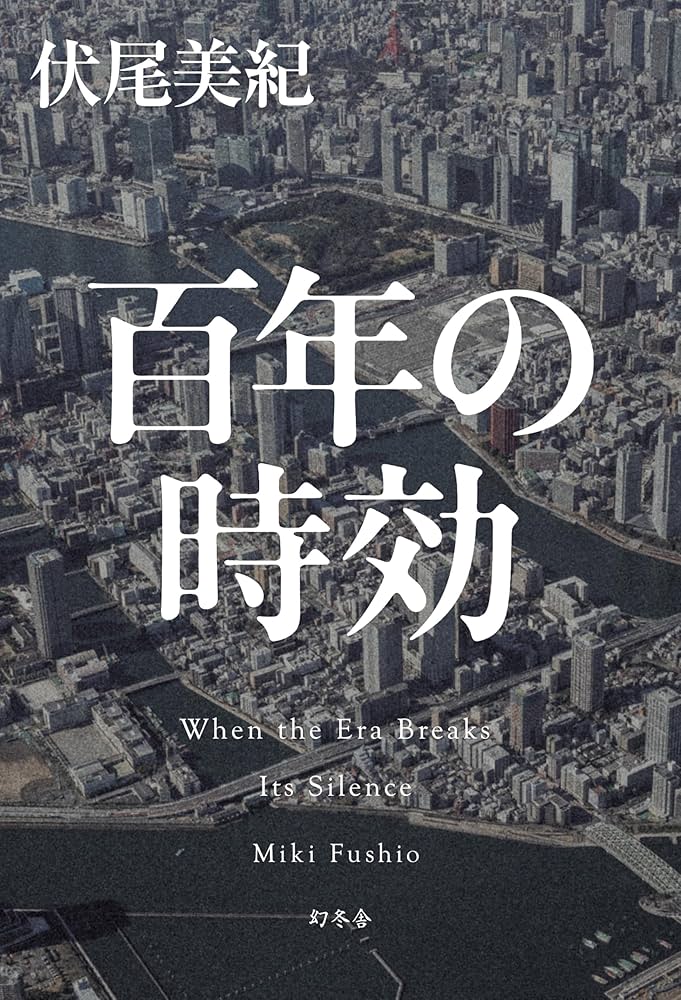
July is such a great reading month so far, I loved all the books I’ve read. It’s crazy, because I was wondering which one between 警察執勤中:正義的代價 and 変な地図 would be my favourite book of the month, then I read 消失的你 and thought it might actually be this one, but now I’m almost certain it’s going to be 百年の時効 if I manage to finish it this month (and of course, if the novel turns out as good as the beginning was).
I’m glad I found all these gems, it makes all the rain, heat and humidity more bearable :cloud-rain:

10%

I started 百年の時効 and finished the first chapter. This book is incredibly engrossing! The first chapter was taking place nowadays, but it also settled the differences between the eras, how mentalities and practices changed, like for example how investigation are conducted now compared to the 70s, or the differences in means available to the police. It also mentions several real cases that all have an importance in Japanese recent history, so reading this novel is also an opportunity for me to learn about all these events.

I spent a lot of time reading about several of the real cases mentioned, so I haven’t made much progress on the reading itself, but the beginning is fantastic and the plot looks really great.

Shibuya riot case

渋谷暴動事件: Shibuya Riot Case
The Shibuya riot case was a famous incident involving the New-left radical activists in 1971. In November, left-wing students and workers organised protests, but some members of a far-left group called 中核派 violently killed a 21-year-old police officer, beating him with iron pipe and setting him on fire with molotov cocktails.
7 members were identified as the ones who killed the policeman, 6 were arrested and prosecuted, but Masaaki Osaka (大坂正明) remained a fugitive for 46 years with the help of the 中核派.
Even though the status of limitation was 15 years at the time, it is suspended while accomplices are on trial. Numerous and lengthy appeals made it so that these trials were dragged out, so the status of limitation for Osaka was paused and was not concluded in 2010, when the whole system was abolished in the case of murder and took place retroactively for cases that were still open in 2010. This is what allowed Osaka to be trialed in 2017 when he was finally arrested.

Sakuradamon

I didn’t know that, but apparently, the Tokyo Metropolitan Police Department is often referred to as Sakuradamon 桜田門 because the main building is facing the Sakurada Gate of the Imperial Palace. This gate is also where the Sakuradamon Incident took place as mentioned in the novel (it was the assassination of Ii Naosuke, a Tairō of the Tokugawa Shogunate).
But as the novel states, the Metropolitan Police Department HQ were originally located elsewhere and only moved there in 1931, because their previous building had been destroyed during the 1923 Great Kantō Earthquake.

三億円事件

三億円事件 - 300 million yen robbery
The 三億円事件 took place in 1968, it is the biggest heist in Japanese history and remains unsolved. A man, posing as a policeman, managed to fool bank employees who were transporting money. He made them believe that a bomb was hidden under the vehicle. The employees believed it because a few days earlier, the bank had received threats involving explosion. The man was able to drive away with the vehicle after scaring the employees away.
The scale of the investigation was massive, and they did check a ton of fingerprints one by one. A 19-year-old man was falsely accused and committed suicide. In 1975, the case reached its status of limitations.
Official name of the case is 現金輸送車強奪事件, but it is commonly referred to as 三億円事件.

10.000 yen banknotes

Prince Shōtoku (聖徳太子) was printed on the 10.000 yen banknotes when they first released in 1958, but the second series printed in 1984 had the portrait of Fukuzawa Yukichi (a Meiji philosopher) instead.

相場師

Apparently, the word 相場師 is not super familiar to Fujimori, so I guess it’s more a Showa thing. I understand it as a market wizard who trades following a mix of instinct and skill, and can make a fortune quickly. Some of these speculators have become some kind of legends, which seems to be the case for Sakurai.
I don’t know if the word itself is used a lot nowadays, investors are generally referred to as 投資家 or トレーダー.

Vocabulary Tuesday · 21 July
第一章:令和編 二〇二四令和六年
WordReadingDefinition
相場師 そうばし master trader, stock speculator
異端児 いたんじ nonconformist, maverick, rebel, enfant terrible
兜町 あぶとちょう Kabutochō, location of Tokyo Stock Exchange.
徒花 あだばな enterprise or plan, etc. that comes to nothing, ephemeral bloom, something that doesn’t last

Lockheed bribery scandals

ロッキード事件 - Lockheed bribery scandals
Lockheed is a US aerospace company that paid bribes to politicians of several countries to facilitate the sell of their aircraft. Japan was one of the countries involved,
Lockheed actually hired Yoshio Kodama, a right-wing ultranationalist, prominent figure in the organised crime and active in the criminal underworld from the 30s to the 70s, to influence Japanese airlines, notably All Nippon Airways, to buy one of Lockheed’s aircraft. They also paid considerable sums to the office of Prime Minister Kakuei Tanaka to facilitate the contrat. Kodama, Tanaka and All Nippon Airways all receive bribes.
Lockheed used Nicholas Deak, a banker and head of a huge financial group who worked with US secret service, to transfer the money to Japan via HK where Deak’s office was. This and other scandals will eventually force Deak to declare bankruptcy in 1984.
In 1976, actor Mitsuyasu Maeno who was associated with the Japanese ultranationalist movement tried to kill Kodama by crashing his plane on Kodama’s house. He used to respect Kodama, but considers that he betrayed the right-wing and the samurai code by accepting bribes, and caused a national disgrace (Lockheed had built aircrafts that fought against Japan in WWII).
Maeno and two of his friends rented two planes saying it was for the shooting of a film on kamikaze. Maeno then alone crashed his plane on Kodama’s house, killing two servants and himself in the process. Kodama, who was in another part of the house, was uninjured. He later died of a stroke in 1984 before his trial was concluded.
As for Tanaka, he was arrested on 1976 but released on bond, he was later sentenced to four years of prison in 1983 but remained free on appeal until his death. His political influence did not end with the scandal however and he was able to continue his political career with the support of his faction. The scandal did create a political turmoil and Prime Minister dissolved the Diet, but in the 1983 Japanese general election (also called the Lockheed Election - ロッキード選挙), Tanaka retained his seat at the Diet.

Characters Tuesday · 21 July
第一章:令和編 二〇二四令和六年
1
湯浅卓哉 Other
ゆあさ たくやYuasa Takuya
Ex-police officer, 10 year younger than Kamata
鎌田幸三 Other
かまた こうぞうKamata Kozo
died at 88, used to be Yuasa’s senior.
京子 Other
きょうこKyoko
Yuasa’s wife
田中角栄 Other
たなか かくえいTanaka Kakuei
Prime Minister at the time of the Lockheed Bribery scandal
2
藤森菜摘 Other
ふじもり なつみFujimori Natsumi
28, police officer at Katsushika (葛飾) police station. 刑事組織犯罪対策課.
桜井信五 Other
さくらい しんごSakurai Shingo
74, died in his rented apartment.
木原則夫 Other
きはら のりおKihara Norio
guarantor on Sakurai renting contract, had a high position at 富岳 bank.
石原莞爾 Other
いしはら かんじIshihara Kanji
Kanji Ishiwara, general in the Imperial Army in WWII and author 世界最終戦論.
須黒 Other
すぐろSuguro
Ryoichi’s family name
八田 Other
はったHatta
Name of a law firm
荒岩 Other
あらいわAraiwa
Fujimori’s chief
  • The 組織犯罪対策部/課 (Organised Crime Investigation Division) is mainly dealing with organised crime, firearms and drugs, etc.
  • The Fugaku Bank (富岳銀行) has now become 新緑銀行.
  • 世界最終戦論 military strategy and geopolitical doctrine, notably predicted the consolidation of two major blocks: the Western block led by the US, and the Eastern block led by Japan,
3
井伊直弼 Other
いい なおすけIi Naosuke
was a Tairo during the Tokugawa Shogunate
草加文夫 Other
くさか ふみおKusaka Fumio
警視庁刑事部捜査一課管理官

警視庁刑事部捜査一課管理官: Investigation Commander, First Criminal Investigation Division, Criminal Investigation Department, Tokyo Metropolitan Police Department.

Post Tuesday · 21 July

It’s decided, I just bought 百年の時効 on Booklive. The English subtitle is “When the Era Breaks Its Silence”, I love this title!
I’ll first need to add it and the author to the database, and then I’ll start it!

Post Tuesday · 21 July

My initial plan with the Mystery Writers of Japan Award was to read them in chronological order, to get an idea of how mystery novels evolved throughout the second half of the 20th Century. I stopped in 1989, I think I just started moving to other things at the time, and I completely put the project aside (and I was tired of reading hardboiled novels that seem so popular in the 80s).

I want to go back to the award now, but I think I will either pick them in reverse order: start with the most recent one, or just pick the ones I find appealing.

The winner of 2026 is 百年の時効 by 伏尾美紀, and this one looks huge! It’s apparently a police procedural that spawns 50 years, so we go through Showa, Heisei and Reiwa through it. It probably won’t be the easiest to read, but I’m up for the challenge. And with my new setup it’s going to be easy to make character lists or summaries if needed.

Birthday Mail Monday · 20 July
Genshin Impact
Version: Luna VIII · 映夏!归乡?千灵节!
Tartaglia
WordReadingDefinition
缠身 chán shēn (of an illness, debt etc) to plague one; to bog one down; to preoccupy one
毫无保留 háo wú bǎo liú to hold nothing back; without reservation
接风 jiē fēng to hold a welcoming dinner or reception

I find it hard to believe we’re really going to Snezhnaya in like 3 weeks?

Vocabulary Monday · 20 July
Genshin Impact
Version: Luna VIII · 映夏!归乡?千灵节!
WordReadingDefinition
罅隙 xià xì gap; crack; rift

I saw this word in the WQ, I had never seen the character 罅 before!

Audiobook Update Monday · 20 July
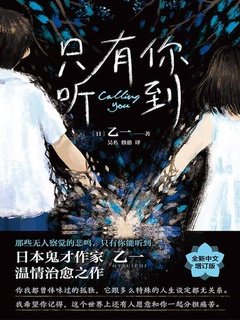
只有你听到 Calling You
只有你听到 Calling You
乙一
Chinese
Translated from Japanese
花之歌

Listened to 花之歌 a bit today. It’s exactly like last time, once I get started with the text and know the context and the characters, I don’t need it anymore and can understand well.

Exploration Monday · 20 July
Genshin Impact
Version: Luna VIII · 映夏!归乡?千灵节!
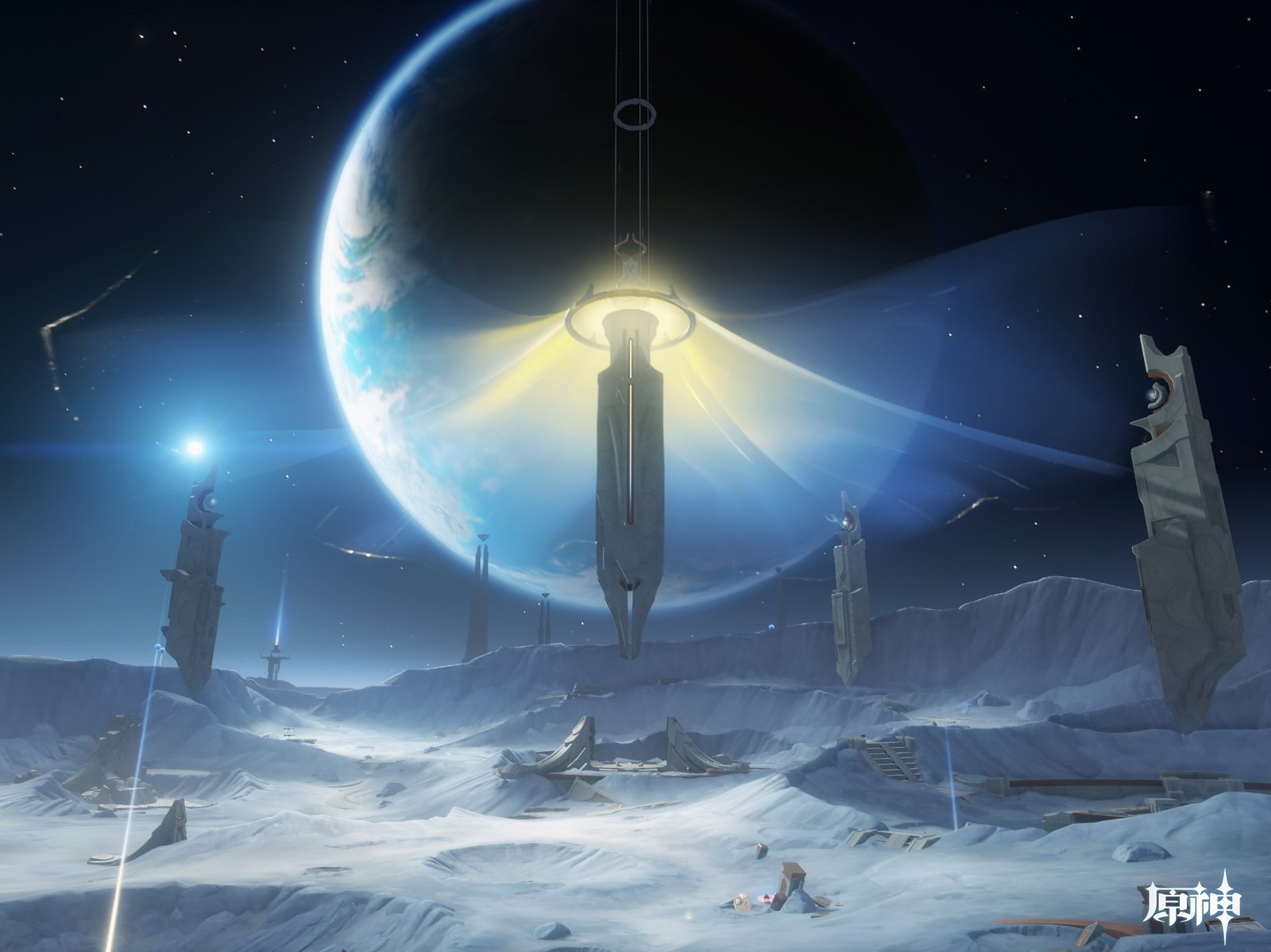
Luna VIII
映夏!归乡?千灵节!
Region 杜南纳深坑 (dù nán nà shēn kēng)
World Quest 望月 (wàng yuè)
A giant, glowing mechanical spire floats above a barren, icy lunar landscape with ancient ruins under a large planet in the night sky.

I started the WQ, the beginning was so so great! It didn’t feel like a WQ at all, probably because it’s voiced and there were several short cutscenes? I loved it very much!

The fact that it is voiced is huge to me! Usually, WQ are the most difficult content, not because they’re necessarily harder, but because I need to read everything, and it’s very tiring. I don’t know if the beginning of this one is particularly easy, or if it comes from the fact that Paimon was the one doing most of the talking, but I felt bilingual while playing through the story! I also love the voice of 黑蛋 and listening to her and Paimon talk together felt like listening to an audio made for language learner.

I found the 不错-不对-不知道 sequence extremely funny!

Haven’t really done any exploration yet, I stopped when I reached the moon. But I can’t wait to continue the quest!

Review Monday · 20 July

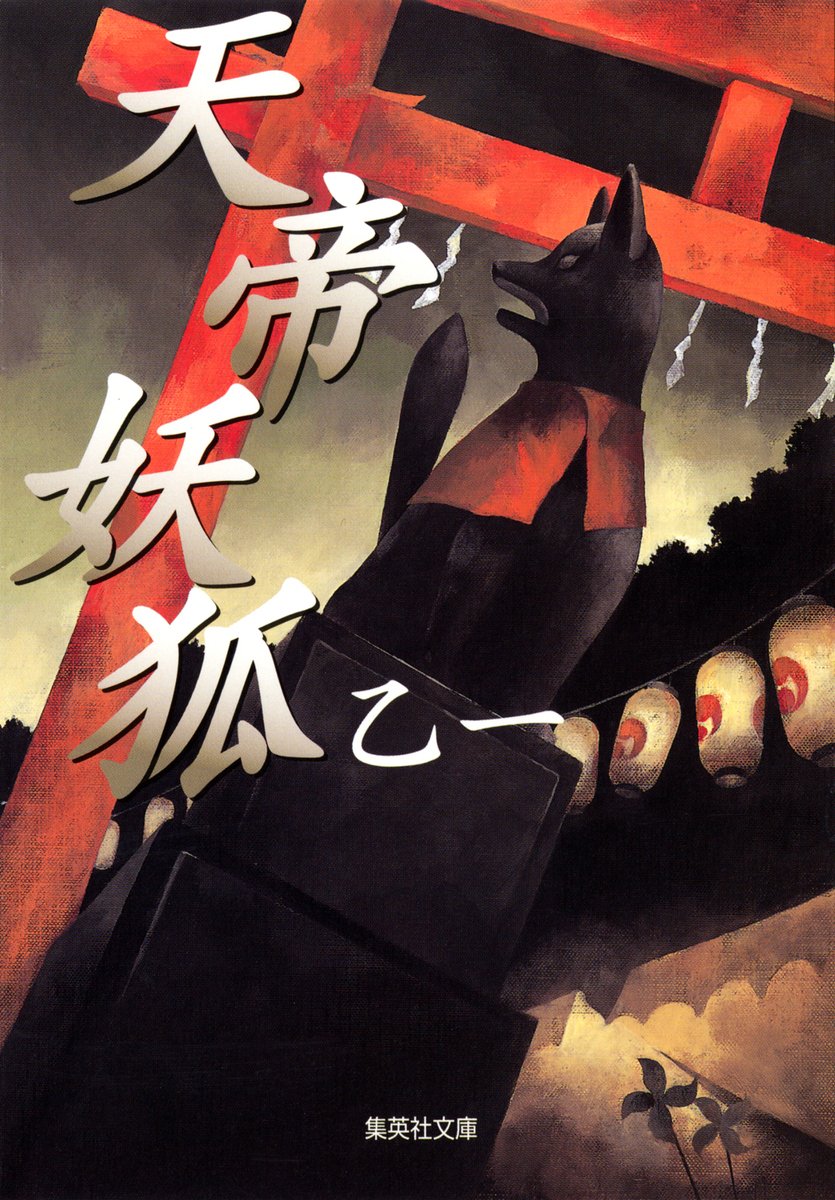
天帝妖狐 was first published in 1998, but it really doesn’t feel like something someone could write at the age of 20~. It has those recurring themes of loneliness and friendships, but the setting and plot felt very unique compared to the other short stories I read. I really loved it, as well as the other short story from the collection, A Masked Ball.